Buying a Guitar Online What to Check When It Arrives
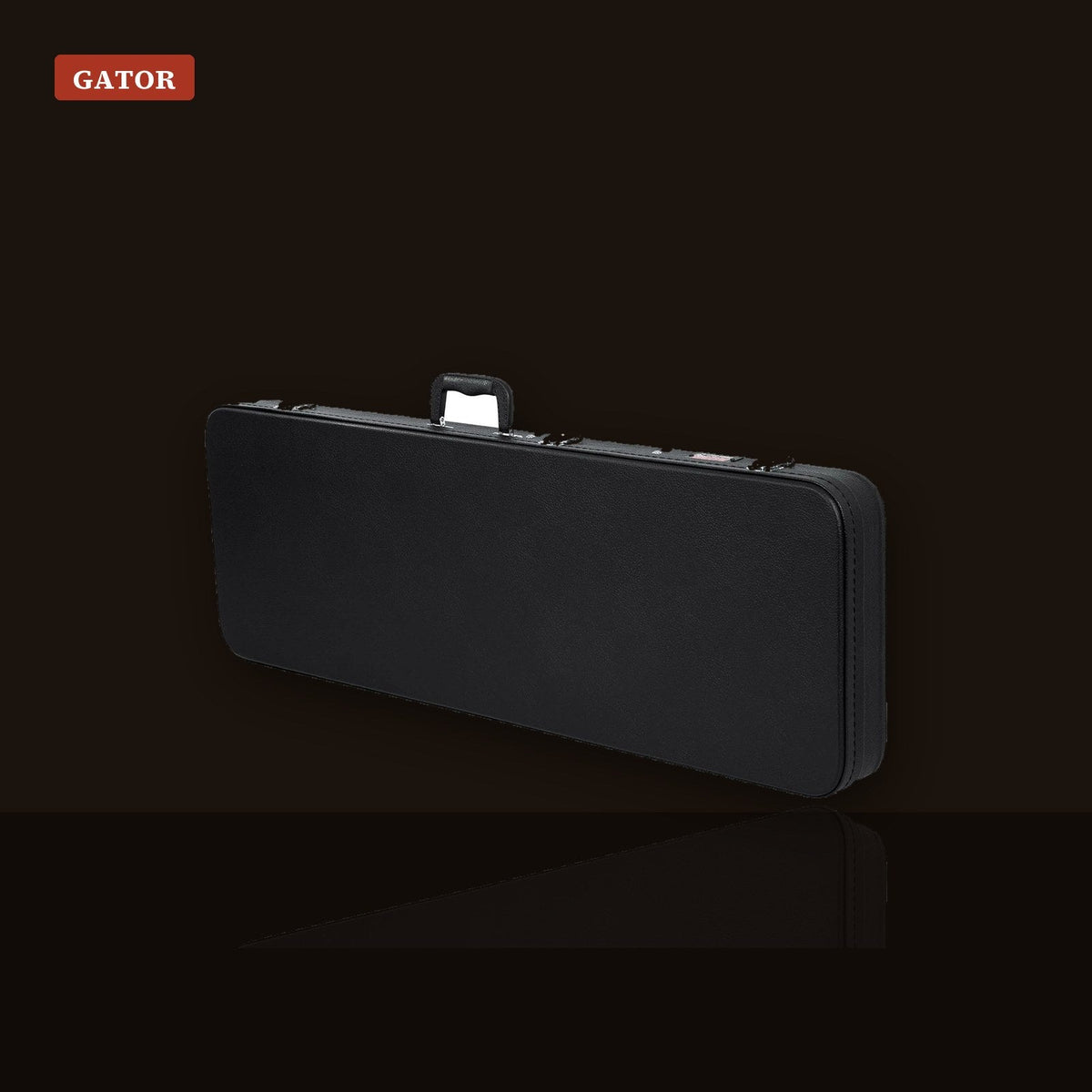
Most guitars sold today arrive in a box. The ones that go wrong usually went wrong in the warehouse or the truck, not the factory. Ten minutes with this list tells you whether yours is right, and gives you a clear record if it is not.
Before you open it
- Photograph the box on all sides, especially any dents or holes.
- If it has been in a cold truck, leave the box closed indoors for an hour. Opening a cold guitar in a warm room can crack the finish. See winter guitar care.
The box and the case
A guitar should be in its own box inside a shipping box, or in a case inside a box, with the headstock supported. Loose packing is a warning sign. Check that the strings were loosened for shipping, which most careful shops do.


Finish and body
Under good light, look for cracks at the headstock behind the nut, around the neck joint and along the top near the bridge. Small finish checking lines are a temperature issue, a crack you can feel with a fingernail is damage. Look at the bridge on an acoustic, it should sit flat with no gap at the back edge.
Neck
Sight down the neck from the headstock like a rifle. A slight forward bow is normal. A twist, where one side is higher than the other, is not. Run your hand along the fingerboard edge. Sharp fret ends mean the guitar dried out in transit, which a technician can dress in minutes.
Action and frets
Tune it up and play every fret on every string. Buzzing in one spot is usually a high fret. Buzzing everywhere means the action is too low or the neck needs adjusting. Strings that are hard to press at the twelfth fret mean the action is too high. All of this is setup work, not a defect, but it should have been done before shipping. Read what a guitar setup is to know what good looks like.


Tuning stability
Tune it, play for five minutes, check again. New strings stretch, so some drift is normal on day one. A tuner that slips or a string that will not hold at all is a problem. Our tuning guide covers the basics and a clip on tuner makes it quick.

Electronics
Plug it in. Work every knob and switch slowly and listen for crackle. Tap the pickups gently with a pick, each should thump through the amp. On an acoustic electric, check the battery and the tuner in the preamp.
If something is off
Take photos, write down what you found and contact the seller the same day. Do not try to fix it yourself first, that can void a return. For anything we ship, call (423) 462-1894 and we will sort it out.
What we do before shipping
Every guitar we sell crosses our bench. The neck is adjusted, the action is set, the intonation is checked, the frets are inspected and the electronics are tested. Then the strings are loosened a little for the trip and the headstock is supported in the box. The list above should find nothing, and if it does, we want to know.
Browse best sellers. Questions? Call the shop at (423) 462-1894 and a real person will help you choose.
Frequently Asked Questions
Is it safe to buy a guitar online?
Yes from a shop that sets up and packs properly. Check the guitar the day it arrives and photograph any damage before contacting the seller.
What should I check first when a new guitar arrives?
The box for damage, then the headstock and neck joint for cracks, then tune it and play every fret for buzzes.
Is fret buzz on a new guitar a defect?
Usually not. It is a setup issue. A good shop adjusts the neck and action before shipping so there is no buzz.
Why were the strings loose when my guitar arrived?
Careful shops loosen the strings before shipping to protect the neck from temperature changes. Tune it up and stretch the strings.